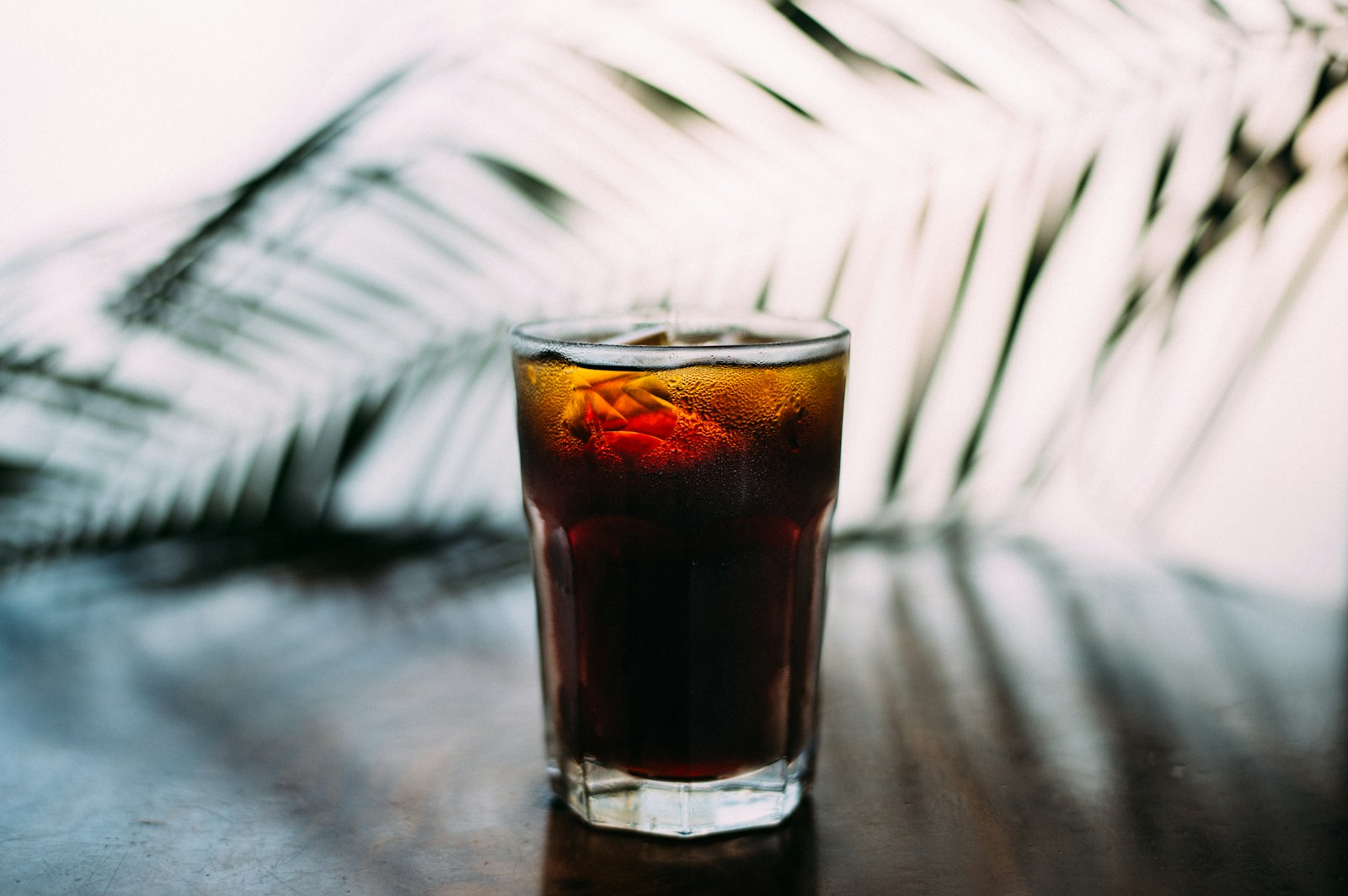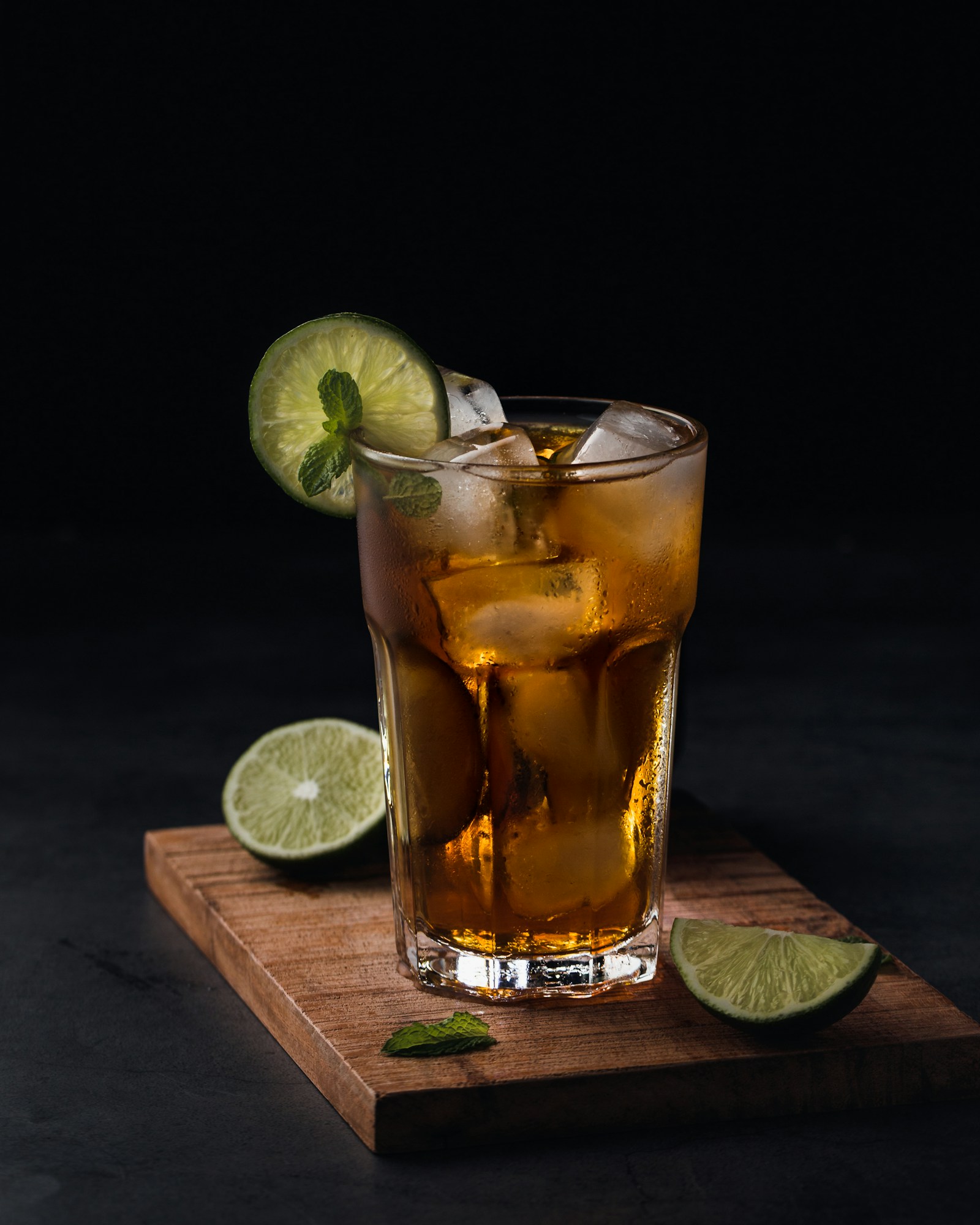
Applications of Roasted Green Tea in RTD Beverages
This piece distills field-tested insights from PT ANP's export desk into clear, buyer-ready guidance you can share with your team.
At PT Agrikultural Nusantara Perkasa (PT ANP), we work with international importers, beverage manufacturers, RTD companies, and retail private-label programs across USA, Germany, Japan, Morocco, UAE, United Kingdom, France, Australia, and Canada. This piece distills what we've learned from thousands of shipments and a decade-plus of relationships across the Indonesian highlands.
Why this topic matters for buyers
The tea supply chain looks simple from a shelf, but it hides real complexity: agronomy, processing, blending, quality control, documentation, and logistics all have to work together for a product to feel effortless in a consumer's hand. When we speak with procurement teams at leading brands, we consistently hear the same request — "we want a partner who can hold the whole chain together, not just sell us a lot."
That is the lens through which we've written this article. Whether you are sourcing bulk material for a tea-bag line, developing a signature RTD, or building a private-label range for a supermarket group, the practical guidance below is designed to help you buy with confidence.
The Indonesian advantage
Indonesia sits at a geographical sweet spot for tea. The highlands of Java, Sumatra, and Sulawesi range from 800 m to 2,000 m in elevation, with mineral-rich volcanic soils, consistent rainfall, and a growing season that spans the entire calendar year. This gives us three advantages the market cares about:
- Year-round supply consistency without the sharp seasonality of other origins
- Broad style range — from delicate steamed green teas to bold malty blacks and richly aromatic roasted green teas
- Volume flexibility: from artisanal micro-lots to full-container OEM programs
For roasted green tea in particular, Indonesian leaf takes to controlled roasting beautifully. The base leaf has enough structural body to survive a deep roast, but keeps the umami and sweetness that consumers now associate with premium roasted profiles.
What "quality" actually means in this article
We use "quality" as a shorthand for four measurable things:
1. **Sensory consistency** — the cup should taste the same, batch after batch, across a two-year contract. 2. **Physical specification** — moisture, particle size, foreign matter, bulk density. 3. **Chemical safety** — pesticide residues, heavy metals, microbiology, all documented against EU MRL, Japan Positive List, FDA, and Halal standards where applicable. 4. **Traceability** — every batch traceable back to plantation blocks, processing dates, and QA release records.
If a supplier cannot describe how they measure all four, they are not export-ready.
Practical implications for your team
When you plan your next tender or sample program, the takeaways from this article translate into a handful of specific asks:
- Request a full Certificate of Analysis, not just an internal spec sheet.
- Ask for the moisture profile at three points: post-drying, post-blending, and post-packing.
- Cup the tea both at the supplier's recommended parameters and at your own brew standard. A supplier confident in the leaf will happily match both.
- Confirm packaging compatibility with your filling line — cadence, hopper feed, sealing temperature, and reject rates all matter.
- Get container-level traceability numbers on your commercial invoice.
How PT ANP delivers on this in practice
Our production platform is designed around three pillars:
- **Consistent quality** through disciplined blending, sensory panels, and lab release.
- **OEM manufacturing** capability from formulation to primary and secondary packaging.
- **Documentation-first export** with export officers dedicated to phytosanitary, HACCP, halal, and country-specific compliance.
If you are working on a new SKU, we typically move from initial brief to first cupping samples within two to three weeks, and from approved sample to first commercial shipment inside twelve weeks — including custom packaging design where needed.
Closing thought
The teas that end up in the world's most respected brands rarely come from suppliers who "sell tea." They come from partners who understand your category, your consumer, and your operational reality. That is the standard we hold ourselves to at PT ANP, and it is the reason our customer relationships routinely span multiple years and multiple product lines.
If this article was useful and you would like to discuss a specific product need — bulk material, OEM development, or private-label programs — we would welcome the conversation. You can request a sample, ask for our current catalogue, or book a short online meeting through the buttons on this page.